
Video Nasties History:
The Birth of Home Video
This section is dedicated to video nasties history, the films that shocked a nation, outraged the censors, and became cult classics in the process.
The history of video nasties started in the early 80s, a time which saw the Home Video Boom, a time when the UK high street changed forever. Videos were becoming the most popular form of home entertainment, and video rental shops popped up all around the UK.
Uncensored Horror Movies:
The Video Nasty Media Frenzy
Uncertified, uncensored horror movies were flooding into Britain, and video shops couldn’t stock them fast enough! But due to concerns that these tapes could be viewed by children, they were soon under the spotlight.
A moral panic driven by the tabloid press, government and pressure groups fronted by Mary Whitehouse, looked to blame the horrors of video on any collapse in society. The Video Nasty Hysteria had begun!
Banned 80s Horror Films:
The Official UK Video Nasties Lists
The Video Retailers Association were alarmed by apparently random seizures of horror movies and asked the Department of Public Prosecutions (DPP) to provide a guideline for the UK video industry, so that stockists could be made aware of what was liable to be confiscated, and what they could legitimately keep on their shelves.


DPP 39 & DPP 72: Prosecuted (DPP39) vs Non-Prosecuted Nasties (DPP72)
In total, 72 titles appeared on the official DPP list of 72 video nasties at one time or another, but only 39 films were successfully prosecuted under the Obscene Publications Act (OPA). Tapes prosecuted under the Act became known as The DPP 39. The remaining 33 films had unsuccessful prosecutions, and were dropped to the Section 3 Nasties List (below).
Banned 80s Horror Films:
Seizing the Section 3 Nasties
Titles on the Section 3 video nasties list were considered obscene or offensive by authorities but were seized under lesser charges. Police used Section 3 of the Obscene Publications Act to seize and confiscate these tapes, often from shops, without a full prosecution against the owner.


Part 4: The Section 3 Nasties →
Inside the Video Nasty Era

The Video Nasty Media Hysteria
A moral panic driven by the tabloid press, government and pressure groups fronted by Mary Whitehouse!

The DPP List of 72 Video Nasties
The DPP List of 72 Video Nasties contained tapes prosecuted under the Obscene Publication Act.

The Section 3 Nasties & Other Banned Tapes
These are the additional 82 titles that were officially designated Section 3 Nasties and were liable for seizure.
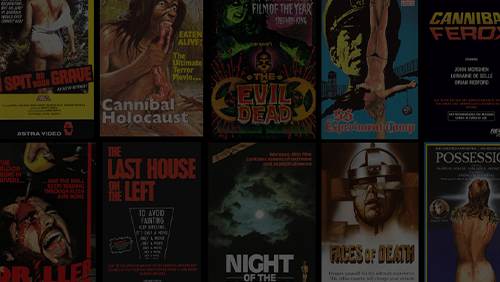
12 Films That Defined the 1980s Video Nasty Panic
Explore the 12 most notorious titles that fuelled the fire. These weren’t just movies; they were the primary targets of the DPP!
Search the
Retro Horror Movie Database
Looking for a specific title? Our archive contains over 2,000 cult horror films. Filter by release year, distributor, or see if it was prosecuted by the DPP.
Frequently Asked Questions
What exactly was a “Video Nasty” in the UK?
The term “Video Nasty” was a phrase coined by the UK press, moral crusaders, and religious groups in the early 1980s. It referred to a wave of unrated, highly graphic horror and exploitation films released on VHS. Because early home video lacked legal regulation, these tapes could be rented by anyone, leading to a massive moral panic regarding their availability to children.
How many films were officially on the DPP Video Nasties list?
In total, 72 films appeared on the Director of Public Prosecutions (DPP) lists at various times between 1983 and 1985. However, these were split into different categories. Ultimately, 39 titles were successfully prosecuted under the Obscene Publications Act, while the remaining 33 were dropped or acquitted.
What were the Section 3 Nasties?
A further 82 films joined the 33 “non-prosecuted” nasties and formed the Section 3 list. These could not be prosecuted for obscenity, but were liable to seizure and confiscation under a ‘less obscene’ charge. Tapes seized under Section 3 could be destroyed after distributors or merchants forfeited them.
What was the impact of the Video Recordings Act 1984?
The Video Recordings Act (VRA) 1984 completely reformed the UK home video landscape. It closed the legal loophole that allowed uncertified tapes to be rented. Under the VRA, every single video release was required to be submitted to, and certified by, the BBFC. This effectively wiped out the “Wild West” era of pre-cert video rentals.
Are Video Nasties still banned in the UK today?
The vast majority are no longer banned. Over the decades, classic titles like The Evil Dead, The Texas Chain Saw Massacre, and Zombie Flesh Eaters have been legally released in the UK, many entirely uncut. Only a tiny handful remain unreleased today, usually because distributors haven’t resubmitted them, or because they contain elements that still violate strict UK laws regarding real animal cruelty or sexual violence.
Why were 1980s horror films targeted over cinema releases?
It came down to context and marketing. While cinema required people to buy a ticket under age restrictions, VHS tapes brought graphic violence directly into the living room. Also, independent distributors used incredibly lurid, sensationalised cover art to catch eyes on video store shelves. It was often the shocking covers themselves that drew the attention of local authorities and sparked police raids.